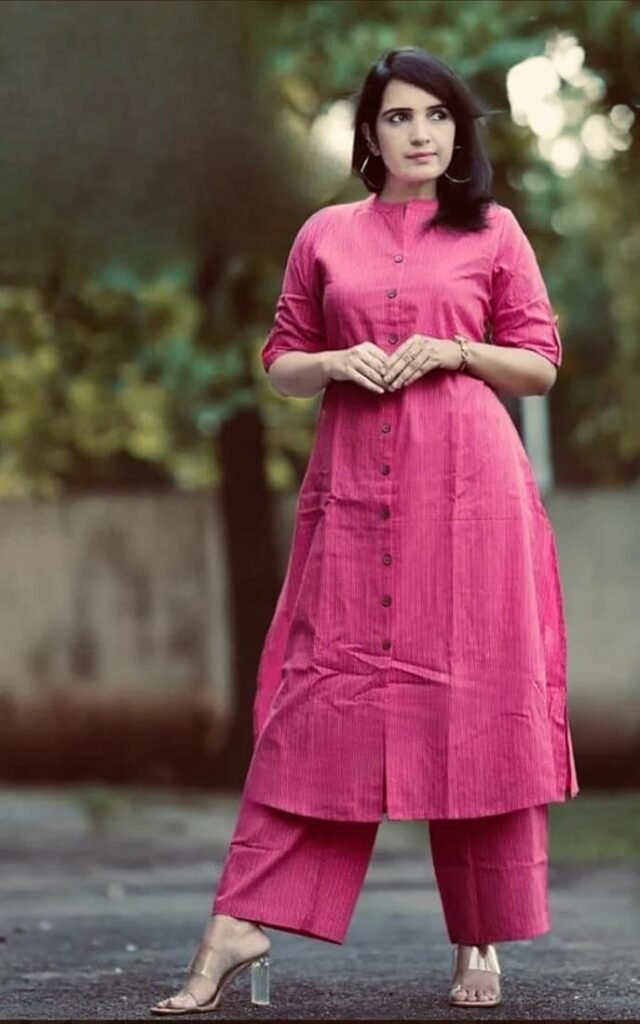
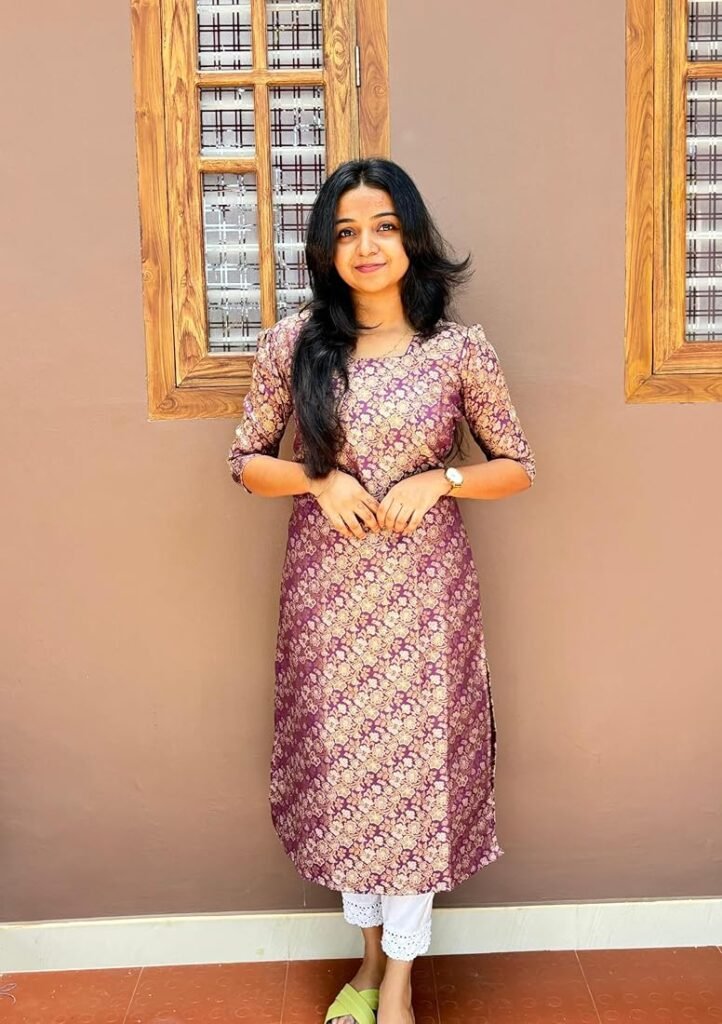
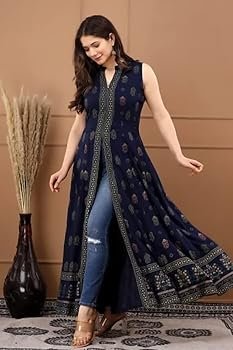
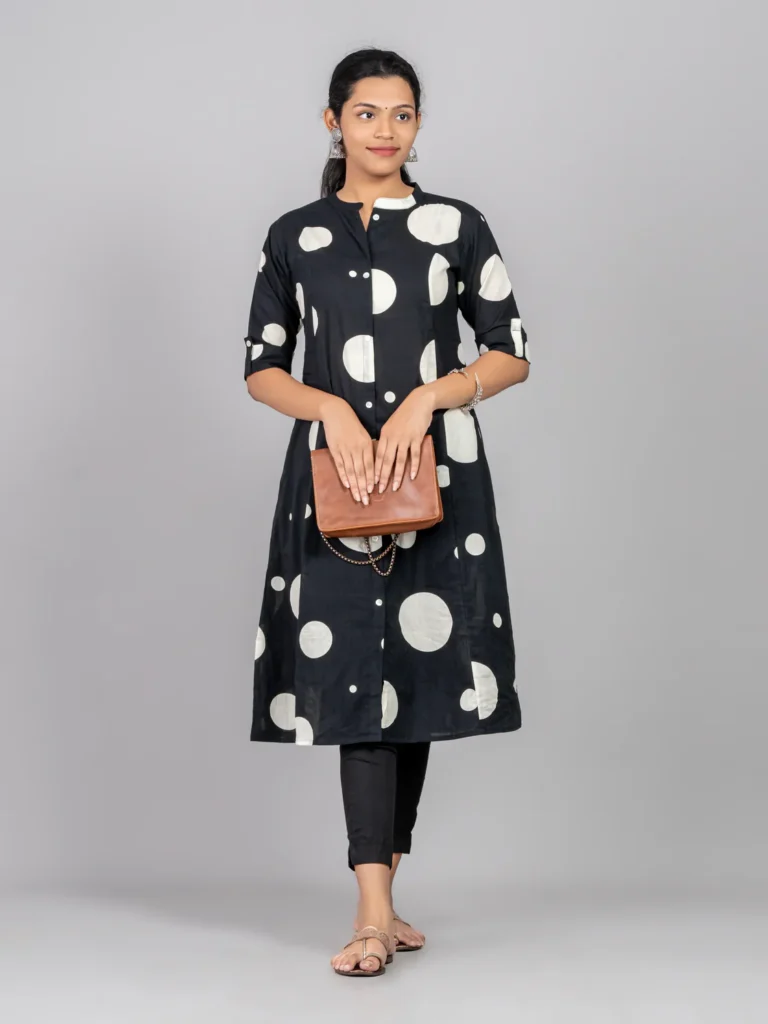
A kurti is a type of short, fitted, upper-body garment originating from the traditional, long kurta, which has evolved from a traditional North Indian garment into a versatile, popular, and fashionable item worn by women across South Asia and globally. It comes in various styles, lengths, necklines (like V-neck or mandarin), and sleeve designs, and is typically made from fabrics like cotton for comfort and silk for special occasions. The kurti is a highly versatile piece, suitable for casual everyday wear, professional office looks, and festive events, and is worn with different bottoms such as leggings, palazzo pants, or jeans.
Origin and History
The kurti evolved from the longer, traditional kurta worn by both men and women in countries like India, Pakistan, and Bangladesh.
While kurtas are unisex, the kurti is the term for the shorter, more fitted version that became a standard part of women’s wardrobes, particularly in Northern India.
The garment’s roots can be traced back to the Shunga Period(2nd century BC) in India, with its design influenced by Central Asian tunics.
Key Features
Length:
Kurtis can range from short to long, generally falling above the waist but can also extend to the knees or beyond.
Collar Styles:
They are available in various neck designs, including V-necks, boat necks, and mandarin collars.
Fabrics:
Popular choices include cotton for summer and comfort, and silk for festive or formal occasions.
Variations:
Styles vary from simple, solid-colored pieces to heavily embellished ones for special events.
Styling and Occasions
Casual:
Pair a comfortable cotton kurti with leggings or jeans for an effortless everyday look.
Formal/Professional:
Straight-cut kurtis are ideal for a polished and professional appearance when worn with straight pants or skirts.
Festive:
For festivals and events, choose kurtis with intricate embroidery and rich fabrics, accessorized with ethnic jewelry and dressy sandals.
Vacation:
Lightweight kurtis made from materials like chiffon or georgette are perfect for relaxed vacation or beachwear.